




Crestview Property Management Guide: Normal Wear and Tear vs Tenant Damage
One of the most common points of confusion for landlords in Crestview rental properties is the difference between normal wear and tear and tenant caused damage. Understanding this distinction is critical for protecting yourself legally, handling security deposits correctly, and maintaining positive tenant relationships.
This guide breaks down what landlords should know when managing rental properties in Crestview, Florida.
What Is Considered Normal Wear and Tear in a Rental Property
Normal wear and tear refers to the natural deterioration of a property that occurs when someone lives in it over time. This is not damage caused by negligence or abuse. It is simply the result of everyday living.
Examples of normal wear and tear include scuffs or light marks on walls, minor scratches on appliances that were not intentional, and gradual fading or thinning of carpet. These changes are expected whether the occupant is a tenant or the homeowner themselves.
Both state and federal housing authorities, including HUD, recognize that properties will show signs of use when occupied. Landlords are expected to account for this and cannot penalize tenants for reasonable aging of a home.
Why Lifespan Matters When Evaluating Wear and Tear
Every component of a rental property has a usable lifespan. Flooring, carpet, appliances, cabinets, doors, windows, and even paint all age over time.
For example, carpet typically has a lifespan of around 7 to 10 years depending on quality and usage. If a tenant moves into a home where the carpet is already several years old and lives there long term, the landlord cannot charge them for replacing carpet that has simply reached the end of its lifespan.
If a tenant lived in a home for seven years and the carpet aged from eight years old to fifteen years old, replacement would be considered normal wear and tear. Even if the carpet looks worn at move out, it cannot be classified as tenant damage if it has exceeded its useful life.
Understanding lifespan prevents landlords from making improper deductions and helps avoid disputes or legal issues.
Examples of Normal Wear and Tear in Crestview Rentals
Normal wear and tear may include light wall scuffs, nail holes from hanging pictures, minor scratches on stainless steel appliances, worn carpet in high traffic areas, faded paint from sunlight, and aging fixtures or finishes.
These conditions occur naturally when people live in a home and should be planned for as part of long term property ownership.
What Is Considered Tenant Caused Damage
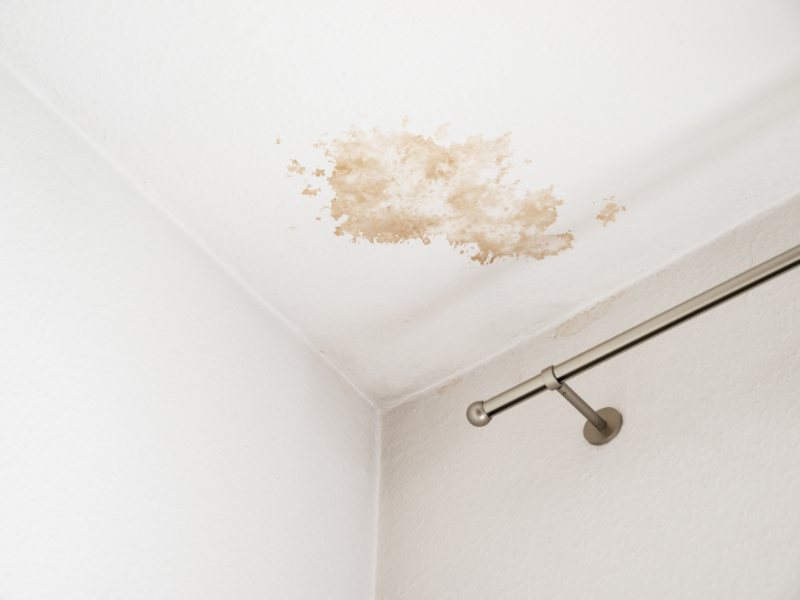
Tenant damage goes beyond normal aging and occurs when a tenant is careless, negligent, or intentionally destructive. This includes damage that shortens the lifespan of a property component or requires repairs beyond standard maintenance.
Examples include large holes in walls, broken doors or windows, missing fixtures, burns or severe stains in carpet, pet damage beyond reasonable wear, or unauthorized alterations to the property.
Tenant damage is typically deductible from the security deposit when properly documented and handled according to Florida law.
Why This Matters for Crestview Property Management
Misclassifying wear and tear as damage can expose landlords to disputes, chargebacks, or legal challenges. Professional Crestview property management companies track property condition, understand component lifespans, and document move in and move out inspections thoroughly.
This protects owners while ensuring tenants are treated fairly and within the law.
Understanding wear and tear versus tenant damage helps landlords make smarter decisions, avoid costly mistakes, and manage rental properties more effectively in the Crestview market.
Click here to receive a custom rental analysis or to schedule a property management consultation!