




A Breakdown of CapEx Expenses for Your Crestview Rental Property
One of the biggest mistakes rental property owners make is underestimating long-term property expenses that we see as a Crestview property manager.
Many landlords only budget for monthly maintenance issues like leaking faucets or appliance repairs, but they forget about the large expenses that eventually come with owning real estate.
These larger expenses are called CapEx expenses.
If you do not properly prepare for CapEx costs, a single major repair can completely destroy your cash flow and create serious financial stress.
Understanding the difference between routine maintenance and capital expenditures is essential if you want to successfully own and operate rental property long term.
What Is the Difference Between CapEx and Routine Maintenance?
The first thing landlords need to understand is the difference between capital expenditures (CapEx) and regular maintenance expenses.
Routine Maintenance Costs
Routine maintenance refers to the smaller repairs and ongoing issues that naturally happen during property ownership.
These are usually smaller-ticket items that occur regularly throughout the year.
Examples include:
Leaky faucets
Dishwasher repairs
Garbage disposal issues
Light fixture replacements
Minor plumbing repairs
Door handle replacements
HVAC service calls
Minor electrical repairs
These are the normal operating costs of owning a rental property.
Most landlords should expect routine maintenance costs to happen consistently over time.
CapEx Expenses
CapEx expenses are major property replacements or large improvements that happen less frequently but cost significantly more money.
These are large-ticket items that are essential to maintaining the long-term condition and functionality of the property.
Examples include:
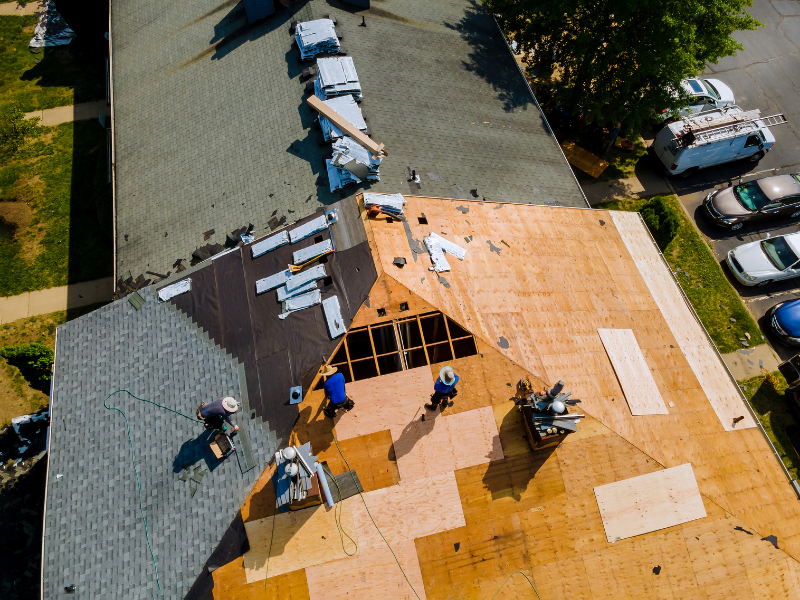
Roof replacement
Full HVAC replacement
Electrical rewiring
New driveway installation
Exterior siding replacement
Major plumbing replacement
Foundation work
Water heater replacement
Large renovations
Unlike routine maintenance, CapEx expenses are not monthly occurrences.
However, when they happen, they can cost thousands — or even tens of thousands — of dollars.
Common Examples of CapEx Expenses
Understanding which repairs qualify as CapEx helps landlords prepare financially for the future.
Roof Replacement
One of the most common CapEx expenses is replacing a roof.
Depending on the size of the property and roofing materials used, a roof replacement can easily cost:
$10,000 to $20,000+
Roofs also have limited lifespans, typically ranging from:
15 to 30 years
That means landlords should be proactively saving for future roof replacement long before it becomes necessary.
HVAC System Replacement
A full HVAC replacement is another major capital expense.
In Florida, HVAC systems work extremely hard because of the climate and heat.
A full system replacement can cost anywhere from:
$8,000 to $15,000+
depending on system size and efficiency.
Water Heaters
Although smaller than a roof or HVAC system, water heaters are still considered a capital expense because they are larger replacement items that eventually wear out.
Exterior Improvements
Other examples include:
Driveway replacement
New siding
Window replacement
Fence replacement
Large landscaping projects
These improvements are expensive but necessary to preserve the value and condition of the rental property.
How Much Should You Set Aside for CapEx?
One of the most common questions landlords ask is:
“How much money should I save for CapEx expenses?”
The answer depends on the age and condition of the property, but generally speaking, rental property owners should consistently reserve money every month.
Routine Maintenance Budget
For standard maintenance expenses, landlords should typically expect to spend around:
10% to 15% of annual rental income
on ongoing maintenance and repair costs.
For example:
If your property rents for $2,000 per month, your annual rental income is approximately:
$24,000 per year
At 10% to 15%, you should expect roughly:
$2,400 to $3,600 annually
in routine maintenance expenses.
CapEx Reserve Budget
In addition to routine maintenance, landlords should also save separately for major capital expenditures.
A good rule of thumb is to reserve at least:
10% of rental income
specifically for CapEx expenses.
Example of Long-Term Planning
Let’s say:
A roof costs $12,000 to replace
The roof lasts 10 years
That means you should save approximately:
$1,200 per year
just for the future roof replacement.
Now add in future HVAC replacement costs, water heater replacement, exterior repairs, and other major expenses.
This is why maintaining strong reserve funds is critical for long-term rental property ownership.
Why CapEx Planning Matters
Many first-time landlords focus only on monthly cash flow.
But successful real estate investing is about long-term planning.
If you fail to budget properly for CapEx expenses, eventually one large repair can:
Eliminate years of profit
Create financial hardship
Force emergency borrowing
Delay necessary repairs
Reduce property value
Cause tenant dissatisfaction
Planning ahead allows you to avoid financial surprises and keep your property operating smoothly.
Deferred Maintenance Creates Bigger Problems
One of the worst things a landlord can do is delay major repairs because they are expensive.
Deferred maintenance almost always becomes more expensive later.
For example:
Ignoring a roof leak can eventually lead to:
Drywall damage
Mold growth
Structural damage
Electrical issues
A small problem can quickly become a massive expense if left unresolved.
The same applies to HVAC systems, plumbing systems, and exterior maintenance.
Final Thoughts
Owning rental property in Crestview can be an excellent long-term investment, but successful landlords understand the importance of budgeting properly.
The key is understanding the difference between:
Routine maintenance expenses
And major CapEx expenses
Routine maintenance covers the smaller repairs that happen regularly.
CapEx expenses cover the large, infrequent replacements that protect the long-term value of the property.
To properly protect your investment, landlords should:
Budget for routine maintenance
Save consistently for future CapEx repairs
Maintain emergency reserves
Avoid deferred maintenance
Plan for long-term property improvements
The landlords who prepare financially for these major expenses are the ones who typically experience less stress, better cash flow stability, and stronger long-term investment returns.
Click here to receive a custom rental analysis or to schedule a property management consultation!